9 Common Conditions Where Laser Therapy Is Considered in Physiotherapy
When Everyday Movement Feels Harder
Living with movement limitations or ongoing discomfort can affect work, family time, and everyday routines. Parents, working professionals, and older adults in Hamilton often look for clinic-based physiotherapy options that support tissue recovery without placing additional strain on the body.
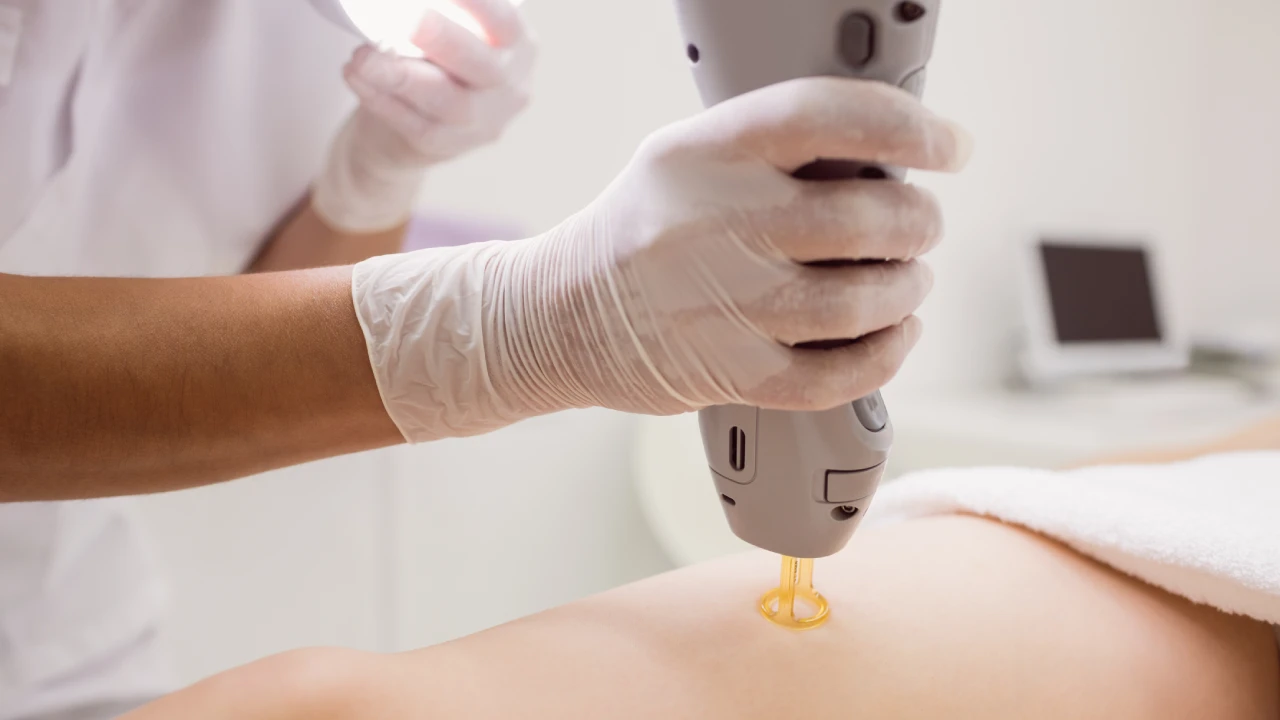
One approach commonly discussed in physiotherapy settings is Laser Therapy Treatment. This blog explores situations where it is often considered, how care is delivered at Medhealth Physiotherapy, and what patients can safely do at home to stay active between visits.
1. Muscle Strain From Daily Activities
Muscle strain can occur from lifting children, long workdays, or sudden movements. In these cases, Laser Therapy Treatment may be included as part of a clinic-based physiotherapy plan to support circulation in the affected area. Treatment is paired with movement assessment and gradual activity planning.
At-home tip: Gentle stretching within a comfortable range and short walks can help maintain mobility between physiotherapy visits.
2. Joint Stiffness After Prolonged Sitting
Desk work and long commutes commonly contribute to stiffness in the neck, shoulders, hips, or lower back. Laser Therapy Treatment is sometimes used alongside guided mobility exercises to support soft tissue response and movement comfort.
Why clinic care matters: A physiotherapist can adjust positioning, session duration, and progression based on how your joints respond over time.
3. Tendon Irritation From Repetitive Tasks
Repetitive movements such as typing, assembly work, or sports training can place stress on tendons. Laser Therapy Treatment may be considered as part of a structured physiotherapy program focused on reducing ongoing strain and improving movement efficiency.
At-home tip: Take regular breaks from repetitive tasks and perform the gentle range-of-motion exercises recommended during your sessions.
4. Lower Back Concerns
Lower back concerns can interfere with sitting, lifting, and sleep quality. In physiotherapy clinics across Hamilton, Laser Therapy Treatment is sometimes discussed as part of a broader care plan that includes posture education and controlled movement strategies.
Why professional input helps: Lower back issues vary widely, and proper assessment helps tailor care to individual movement patterns.
5. Shoulder Movement Limitations
Difficulty reaching overhead or behind the back may develop after injury or overuse. Laser Therapy Treatment may be used alongside guided shoulder mobility and strengthening exercises within a physiotherapy program.
At-home tip: Wall-assisted shoulder slides and light stretching can support flexibility when performed as instructed.
6. Knee Discomfort During Walking or Stairs
Knee discomfort often appears during walking, stair use, or standing up from a seated position. Laser Therapy Treatment is sometimes included in physiotherapy sessions aimed at supporting joint movement and surrounding tissues.
Clinic approach: Walking patterns and daily activity levels are monitored so exercises and care can be adjusted safely.
7. Sports-Related Overuse Issues
Recreational athletes in Hamilton may experience overuse concerns from running, cycling, or training without adequate recovery. Laser Therapy Treatment can be part of a physiotherapy plan that includes load management and movement retraining.
At-home tip: Balance training days with rest days and follow warm-up routines discussed during physiotherapy sessions.
8. Post-Activity Tissue Sensitivity
After intense activity or a busy week, lingering tissue sensitivity may occur. Laser Therapy Treatment may be discussed in physiotherapy to support tissue response as part of ongoing care.
Why clinic input helps: Monitoring response across multiple visits allows adjustments that match changing activity levels.
9. Nerve-Related Sensations
Tingling or altered sensation can sometimes accompany movement concerns. In these cases, Laser Therapy Treatment may be considered alongside nerve-focused exercises and posture strategies within physiotherapy care.
At-home tip: Maintain neutral sitting posture and avoid staying in one position for extended periods without breaks.
How Medhealth Physiotherapy Supports Patients in Hamilton
At Medhealth Physiotherapy, care begins with a detailed assessment and open discussion about your daily demands, work environment, and activity goals. Laser Therapy Treatment is used within a structured physiotherapy setting and is never a stand-alone solution.
Each session is guided by progress checks, movement education, and realistic goals suited to everyday life in Hamilton, Ontario.
Staying Active Between Physiotherapy Visits
Patients often ask how to support progress outside the clinic. Simple home routines, posture awareness, and pacing daily tasks help maintain momentum. When Laser Therapy Treatment is part of your care, closely following session guidance supports steady progress without setbacks.
Why Working With a Physiotherapist Matters
Physiotherapy involves more than equipment alone. Ongoing observation, exercise progression, and clear communication help ensure Laser Therapy Treatment is used appropriately within a complete care plan. This approach supports safe activity and informed decision-making throughout recovery.
Moving Forward With Physiotherapy in Hamilton, ON
Movement concerns can affect many aspects of daily life, but structured physiotherapy care can help make activities feel more manageable. From muscle strain to joint stiffness, Laser Therapy Treatment is considered in various situations when paired with clinic-based physiotherapy.
If you are in Hamilton, Ontario, and want to explore whether this approach is right for you, contact Medhealth Physiotherapy to book a consultation.
📍 547 Upper James Street, Hamilton, ON L9C 2Y5
Disclaimer:
This blog is for educational purposes only and does not replace medical advice. Please consult a licensed physiotherapist for personalized care.