
Is Shockwave Therapy Worth It for Plantar Fasciitis? What to Expect, Sessions and Cost Coverage
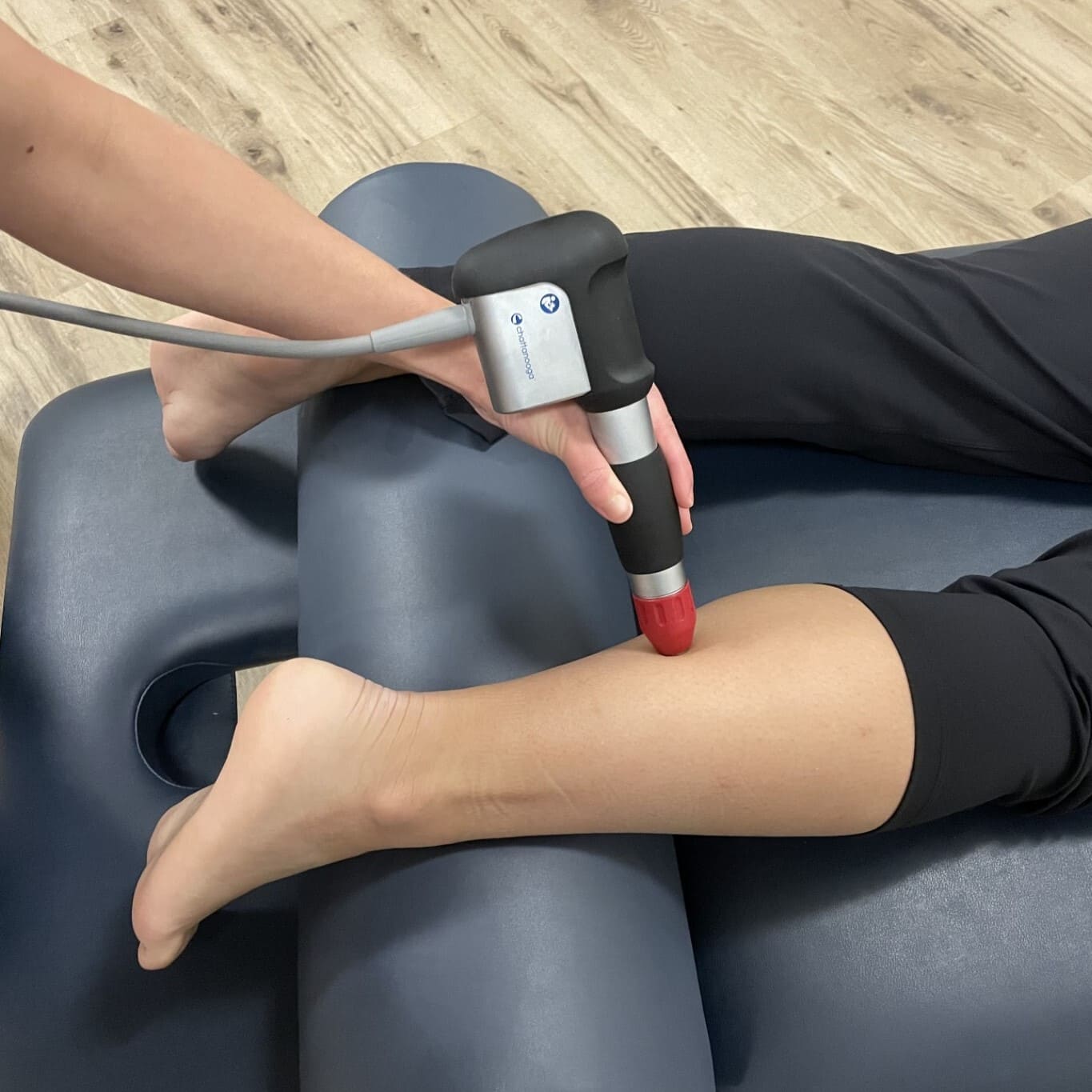
Shockwave therapy is a non-invasive treatment that uses acoustic pressure waves to stimulate healing in stubborn tendon and soft-tissue injuries. For chronic plantar fasciitis - heel pain that has not resolved after several weeks of rest, stretching, or other conservative care - shockwave therapy may help reduce pain and improve function. Most people need 3 to 5 sessions delivered weekly or every few days.
What Is Plantar Fasciitis?
The plantar fascia is a thick band of tissue running along the bottom of your foot, connecting the heel bone to the toes. Plantar fasciitis is irritation and pain at the point where that tissue attaches to the heel.
Common symptoms:
- Sharp or stabbing heel pain, especially with the first steps in the morning
- Pain after sitting or standing for long periods
- Pain that may ease during activity but returns after
Common causes include overuse, sudden increases in activity, long hours on hard floors, running on hard surfaces, foot mechanics issues, or tight calf muscles. It is one of the most frequent causes of heel pain in active adults.
When Should You Consider Shockwave Therapy for Plantar Fasciitis?
Shockwave therapy is generally considered when plantar fasciitis has not responded to initial treatment over 3 to 6 months. Initial treatment typically includes:
- Stretching exercises for the calf and plantar fascia
- Footwear adjustments or orthotics
- Rest and load management
- Manual therapy from a physiotherapist
- Anti-inflammatory approaches
If you are still experiencing significant heel pain after several months of consistent conservative care, shockwave therapy may be the next appropriate step. Your physiotherapist will assess your case and explain whether it is suitable for your situation.
How Does Shockwave Therapy Work for Plantar Fasciitis?
Shockwave therapy (also called extracorporeal shockwave therapy or ESWT) delivers high-energy acoustic pulses to the affected area through a handheld applicator placed against the skin with gel. The waves penetrate the tissue and are thought to:
- Stimulate blood flow to a chronically under-perfused area
- Trigger the body's healing response at the attachment point
- Break down calcifications if present
- Reduce pain signalling over time
The plantar fascia attachment at the heel has poor blood supply, which is one reason plantar fasciitis can become chronic. Shockwave therapy is believed to work partly by overriding this cycle and re-initiating the healing process.
What Does a Shockwave Therapy Session Feel Like?
The treatment takes approximately 15 to 20 minutes including set-up. Most people describe the sensation as intense pressure or a tapping feeling during the session. Some areas are more sensitive than others - the heel attachment point can be particularly so.
Most people tolerate the treatment well. The intensity can be adjusted based on your comfort. You may experience some local soreness or redness for 24 to 48 hours after each session, which is a normal response.
There is no recovery time. You can resume regular activities - including walking - immediately after each session, though high-impact activity is generally moderated in the days following.
How Many Shockwave Therapy Sessions Will I Need?
Most plantar fasciitis cases respond to 3 to 5 sessions, typically delivered once per week or every few days. Some people notice improvement after 2 to 3 sessions; others take the full course to see the benefit.
Your physiotherapist will monitor your progress after each session and adjust the plan as needed. Shockwave therapy is typically combined with:
- Continued exercise rehabilitation and stretching
- Load management advice
- Footwear or orthotic recommendations
Research suggests that most improvement is seen in the weeks following the course of treatment, not always during it - so patience is important.
Is Shockwave Therapy Covered by Insurance?
Coverage for shockwave therapy varies by insurance plan. Some extended health benefit plans include shockwave under physiotherapy or as a separate modality; others do not. Coverage under WSIB or motor vehicle accident benefits depends on the specific case and treatment plan.
At Medhealth Physiotherapy in Hamilton, we direct bill many insurance providers. Call us at (289) 816-2497 before your first session to discuss what your plan may cover. We are happy to help you figure out the billing before you commit to a course of treatment.
Shockwave therapy is not covered by OHIP.
Shockwave Therapy vs. Other Plantar Fasciitis Treatments: How Does It Compare?
| Treatment | Suitable for |
|---|---|
| Stretching and exercise | First-line for all cases |
| Manual therapy | Helpful alongside exercise |
| Laser therapy | May help with pain and healing |
| Shockwave therapy | Chronic cases not responding to conservative care |
| Cortisone injection | Short-term pain relief; may weaken tissue with repeated use |
| Surgery | Rare; reserved for refractory cases |
Shockwave therapy sits between conservative care and more invasive options. It is non-surgical and does not require any needles or injections.
Getting Shockwave Therapy for Plantar Fasciitis in Hamilton
At Medhealth Physiotherapy at 547 Upper James St in Hamilton, Ash Sharma (Registered Physiotherapist) offers shockwave therapy as part of a comprehensive approach to stubborn heel pain. Your first visit includes a full physiotherapy assessment to confirm the diagnosis and determine whether shockwave is appropriate for your situation.
Free plaza parking and a nearby bus stop make it easy to get here.